
SOPs - The KPE Way
- Lessons Learned, episode 61
In Episode 60 of this series I mentioned that we had “our way” of doing things and we impressed this on all of our technicians. My company was called KPEnterprises, so we called it The KPE Way. It is inspired in part by HP’s famous The HP Way, which made its way into a book by David Packard, but is literally a set of guidelines on how HP operates and intends to show up in the world. (For more on The HP Way and how it showed up in my business from the start, see Episode 4 in this series: https://blog.smallbizthoughts.com/2024/11/lessons-learned-hp-way.html.)

I have long believed that one of the luckiest things that ever happened to me in my business is that someone recommended to me the book The E-Myth Revisited by Michael Gerber. I have since recommended that book thousands of times in the last thirty years. Gerber's philosophy is to have standardized, documented, enforced processes and procedures for everything.
Lucky for me, that fit perfectly with my ENTJ Myers-Briggs personality. (Google it)
I believe that there’s a right way and a wrong way to do things, and I believe we have an obligation to do things the right way (See Episode 10). Combining the concept of “Our Way” of doing things and a commitment to standard operating procedures, we came up with The KPE Way.
In some sense, the KPE way is a set of all the rules defined in this series.
• This is how we label drives in a storage array.
• This is how we say hello when we enter the client’s office.
• This is how we enter notes into tickets.
• This is how we migrate data.
• And so forth.
But beyond rules and regulations, The KPE Way includes how we treat each other, as well as clients and suppliers. It includes how we discuss things, how we document decisions, and how we build our common culture. It is literally everything we do. Why? Because nothing in your business exists in isolation. Even when we say, for example, that knowledge is siloed in different departments, that really means things are messed up somewhere in the system because knowledge isn’t share appropriately.
How is The KPE Way (and Your Company Way) implemented, evangelized to employees, and how does it become embedding in company culture? It starts with a good old “Mission-Vision-Values” statement. Why does our company exist and who do we serve? And, finally, it lists a few values that show up in our company code of ethics. “Few” means about five and no more than ten.
Those things get posted on the wall, on bulletin boards, and in the employee handbook. They also get posted on our web site. We talk about them all the time. And most importantly, everyone in the company works to make sure our actions and behavior are consistent with our stated values.
Note that this is a lot more than a client-facing PR document. The Code of Ethics is intended to be a reflection of how our company chooses to operate. It is both internal and client-facing. For example, it says we will be competent in any services we sell. But it also says we only work with people we like, and that we value work/life balance. So if a client is abusive to one of our technicians, they get one warning and then we fire them. Yes, really. Clients can count on the fact that we’re competent and professional, and employees can count on support from the company when a client is unprofessional.
Everything’s Connected
Normally, when we talk about SOPs, we’re talking about the nuts and bolts of how the company is run and how service is delivered. And when we talk about culture, we’re talking about human interactions and the shared habits of the group. In other words, there’s the formal documented side and the social human side.
In reality, these are totally interconnected. Your company has procedures for hiring (the formal side) and those procedures should include mechanisms to insure that a new employee is competent and would be a good fit for the team (the human side). When we don’t follow the process, we end up with an employee who’s a bad fit. We have procedures for invoicing and collections (the formal side) and those procedures should include guidelines for treating clients professionally and with respect (the human side).
Once again, every single thing in your company is connected directly or indirectly with every other thing in the company. Therefore, it’s the totality of everything you stand for, everything you do, and all the people you interact with that make up The Your Company Way.
Once you adopt this perspective, you’ll find that writing procedures becomes a little easier, as does implementing them. And the more people share this vision of your company and hold each other accountable, the closer your actual culture is to the ideals in your mission-vision-values documents.
How to start? Absolutely anywhere. Adopt a systems view of your company and the holistic perspective will show up in everything you do, if you let it. And don’t forget to document what you can – cuz that’s The KPE Way!
Feedback always welcome.
Note: If you’re looking for a good Code of Ethics you might adopt or adapt for your company, please see The National Society of IT Service Providers’ model COE at https://nsitsp.org/code-of-ethics/.
(*) There has been a minor update, but you can find the original HP Way document at https://www.hp.com/hpinfo/abouthp/histnfacts/publications/measure/pdf/1977_07.pdf. Some have argued that HP moved away from these guidelines after Carly Fiorina took over.
-- -- --
Episode 61
This Episode is part of the ongoing Lessons Learned series. For all the information, and an index of Lessons Learned episodes, go to the Lessons Learned Page.
Leave comments and questions below. And join me next week, right here.
Subscribe to the blog so you don't miss a thing.
-- -- --
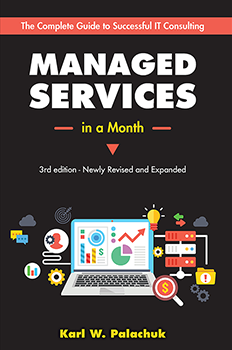
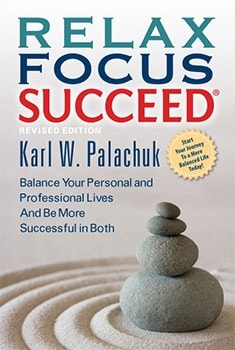
Karl W. Palachuk is an executive coach and author of several books, including Managed Services in a Month and Relax Focus Succeed. He has built, bought, and sold several businesses, including two successful managed service businesses in Sacramento, CA. He advocates a holistic view of business, viewing the company as a system. You can find him at karlpalachuk.com or on LinkedIn. No artificial intelligence apps were used in the writing of this post.
:-)





No comments:
Post a Comment
Feedback Welcome
Please note, however, that spam will be deleted, as will abusive posts.
Disagreements welcome!